Lake Louise and Yoho National Park
After a couple of nights based at the campsite outside of Banff, our next step was to drive the 60 kilometres to Lake Louise. We spent the next couple of days exploring Lake Louise and Yoho National Park.
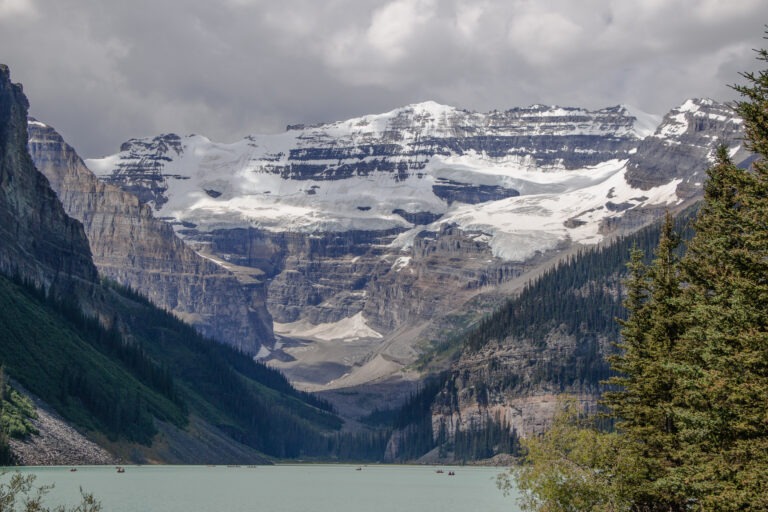
After a couple of nights based at the campsite outside of Banff, our next step was to drive the 60 kilometres to Lake Louise. We spent the next couple of days exploring Lake Louise and Yoho National Park.
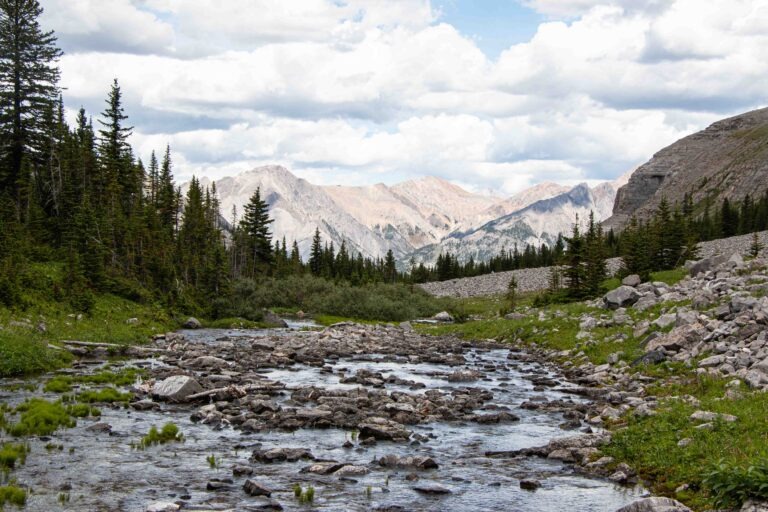
This is the first of a series of photographic posts focusing on the highlights of the Canadian Rocky Mountains, including Banff National Park, Yoho National Park, Peyto Lake (part of the Banff National Park), Jasper National Park, and the Athabasca River.
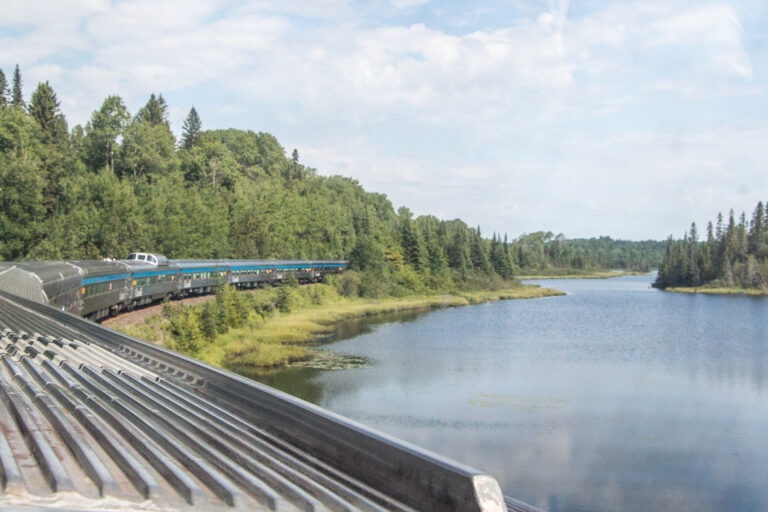
People travelling in the sleeper carriage of The Canadian were chatty and friendly. Meals were included in the restaurant carriage for sleeper class which added to the social atmosphere of the journey, making it one big party.
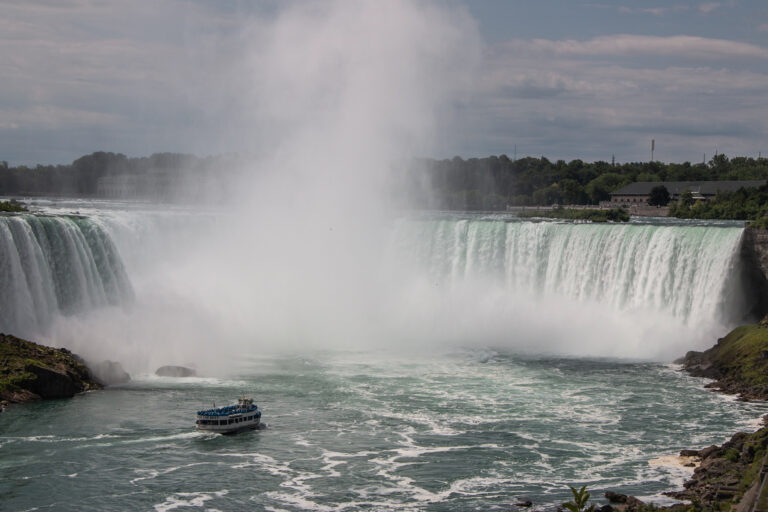
Niagara Falls is made up of three waterfalls on the boarder between the USA and Canada. The largest, Horseshoe Falls, runs along both sides of the border.
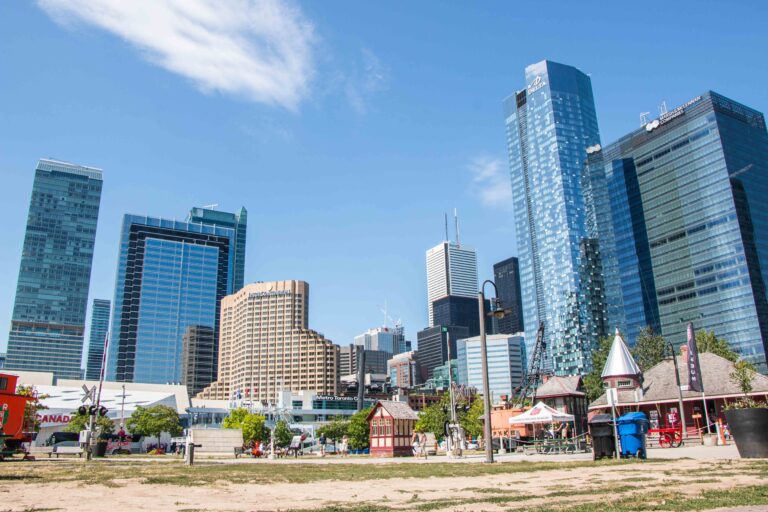
Downtown Toronto is compact, easy to move around with plenty to see and do. The Royal Ontario Museum with its impressive collection of dinosaurs and East Asian artefacts is well worth a visit. While the St Lawrence Market makes for a tasty and entertaining exploration.
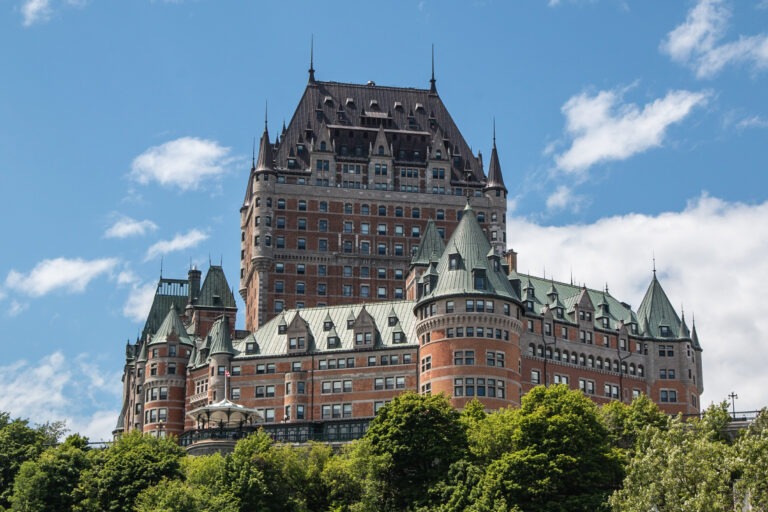
Montreal to Quebec was a quick hop by Canadian standards – a train journey of about three and a half hours. I felt very much at home in Quebec City.
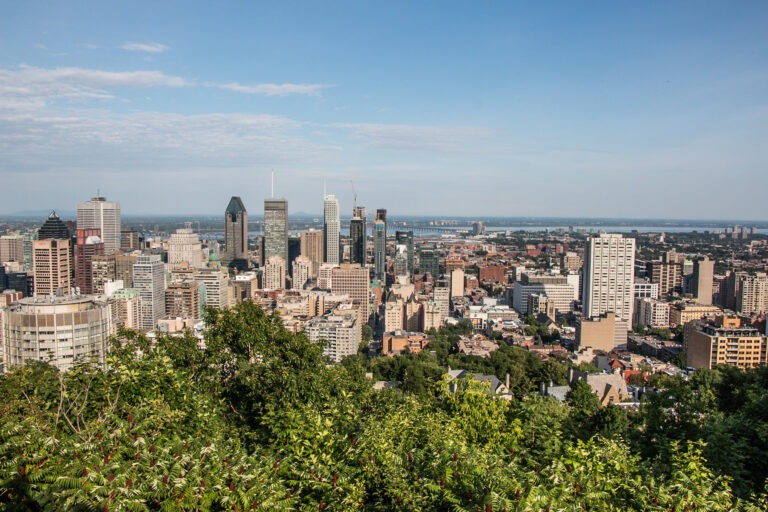
Montreal has a population of almost two million and its centre has the feel of a large city. I stayed in the suburbs which had a very English feel to the extent that they even looked like the residential areas of Havant – near my hometown in England.
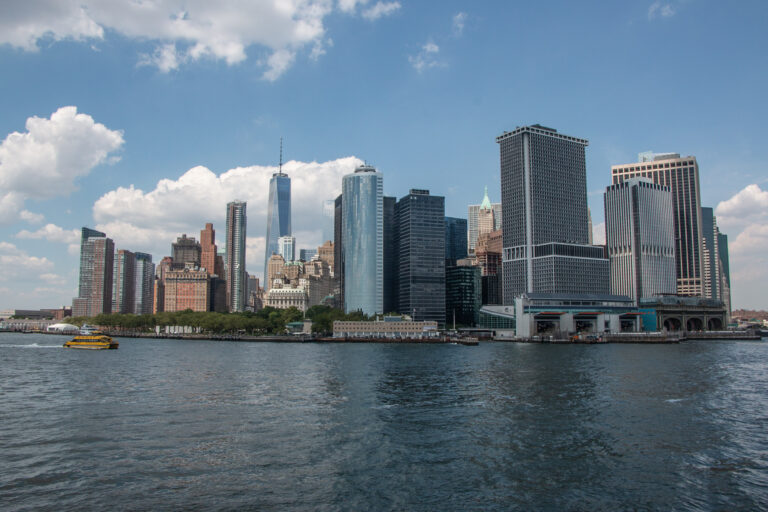
New York City to Vancouver by train. A journey exploring New York, Montreal, Quebec City, Toronto, Winnipeg, Edmonton, The Canadian Rockies, and Vancouver.
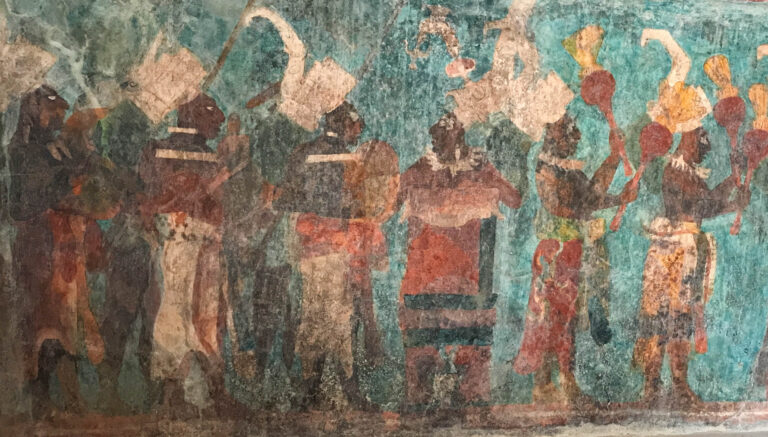
The Mayan murals at Bonampak are in outstanding condition despite being open to the elements.
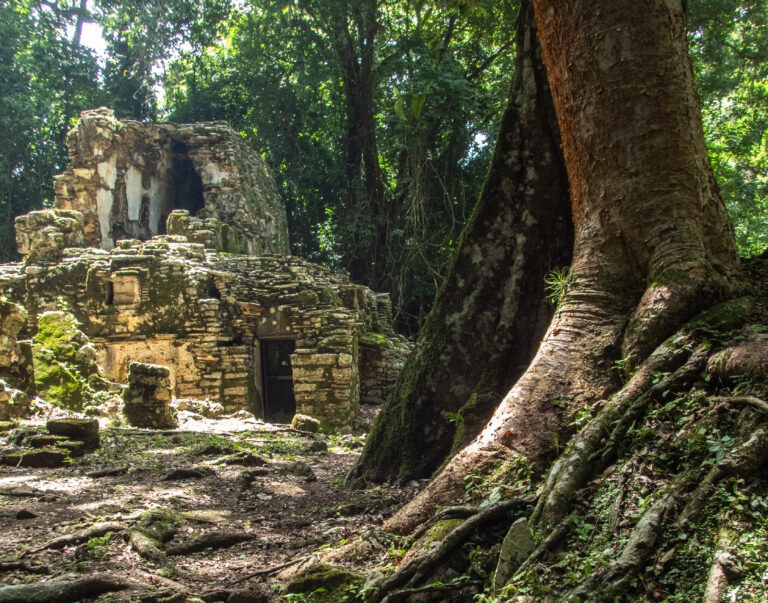
Yaxchilan – A hidden Mayan gem in the jungles of the Chiapas, while remote, is now easily accessible from Palenque. It takes about three hours by bus to get to the Usumacinta River which forms the border between Guatemala and Mexico.