Sigiriya – The Lion Rock
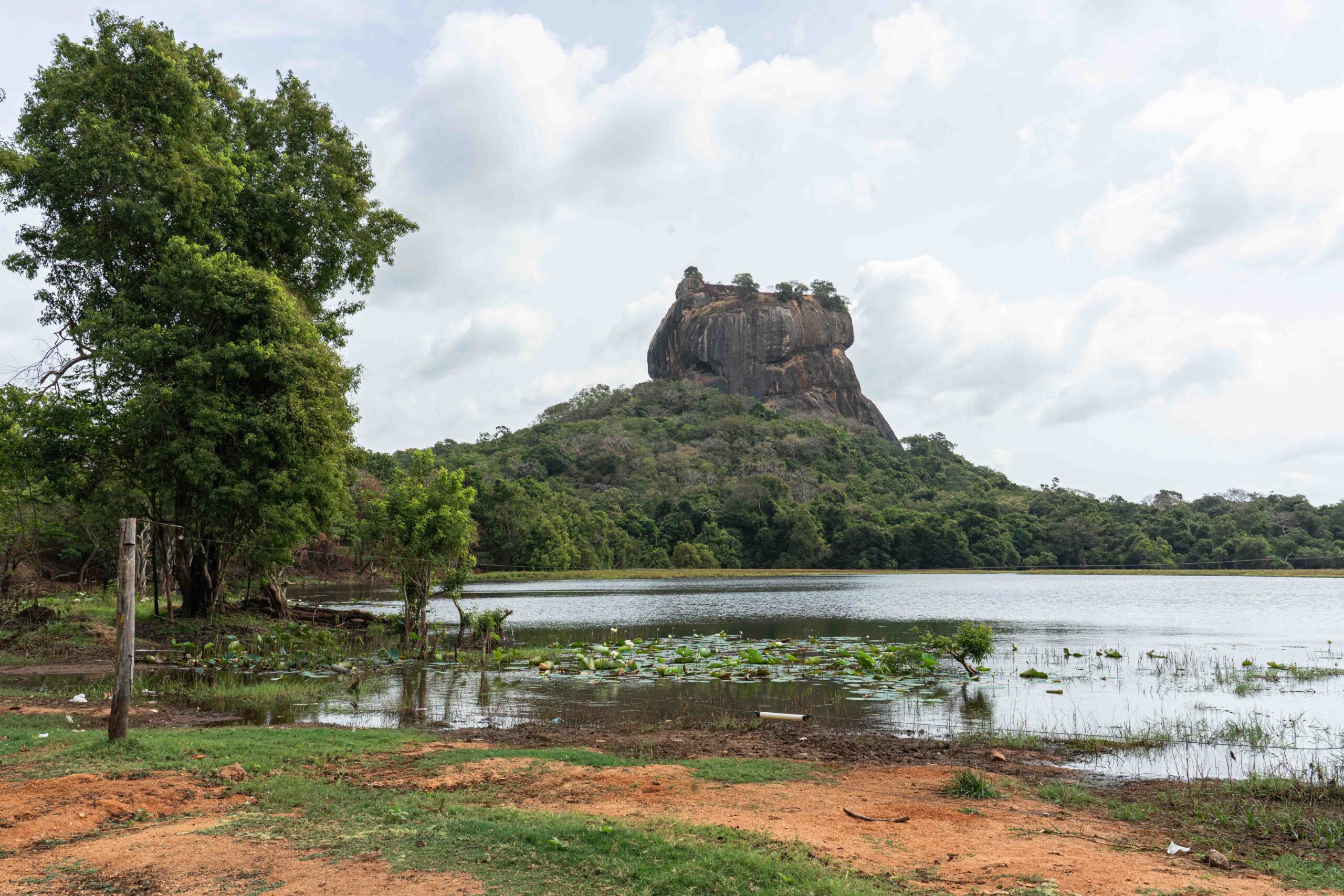
Sigiriya – The Lion Rock – is perhaps the most emblematic image of Sri Lanka. It is an incredible sight at a distance and up close.
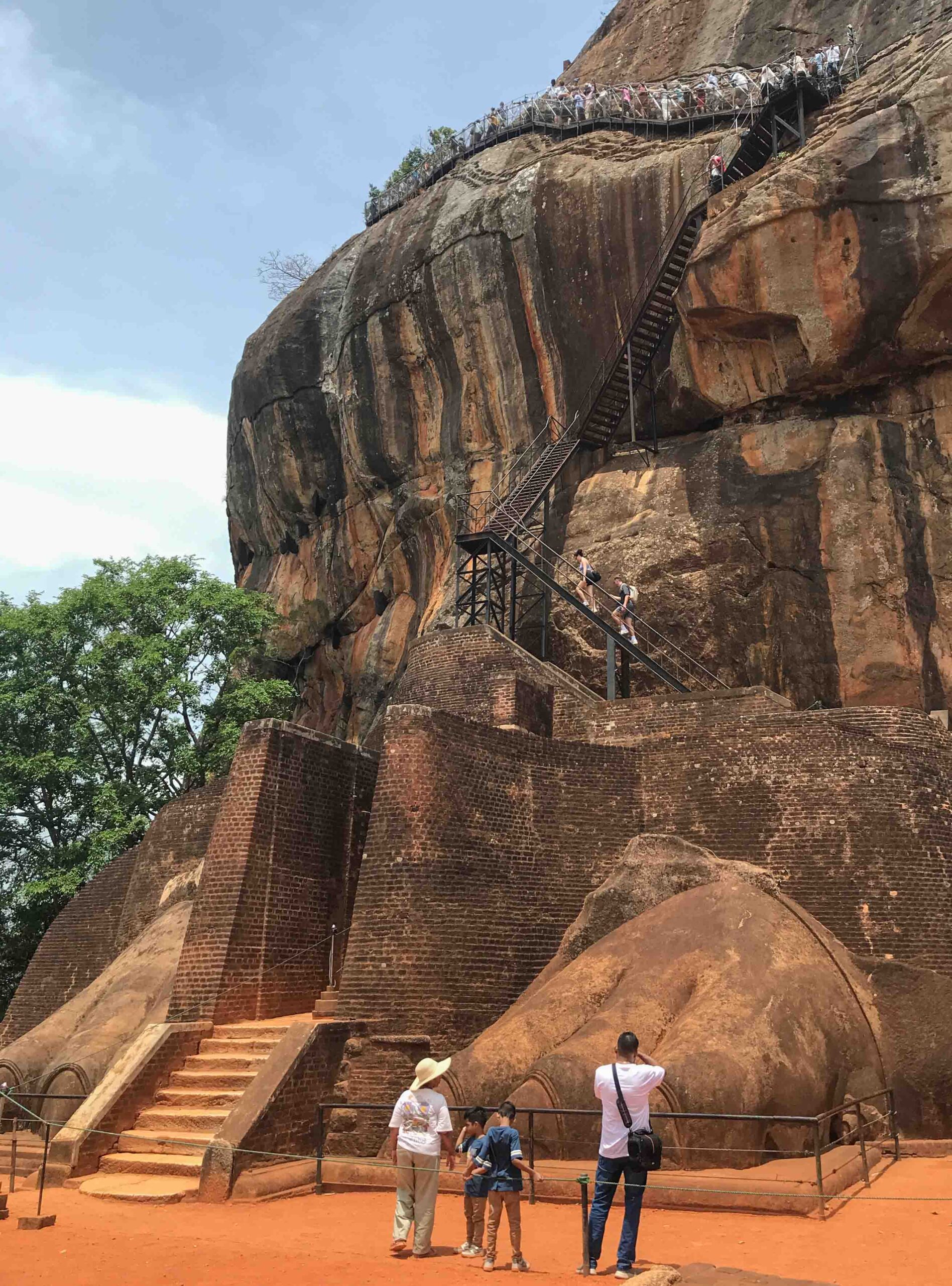
The Lion Rock is a magma plug that has been partially moulded by man. Most significantly, the lions paws which lie half way up the rock and lead through steps to the upper platform where King Kasyapa built his fortified palace more than 1500 years ago. It is possible to view (but not photograph) amazingly well-preserved images of females painted in the western face of the great rock, also from the 5th century AD.
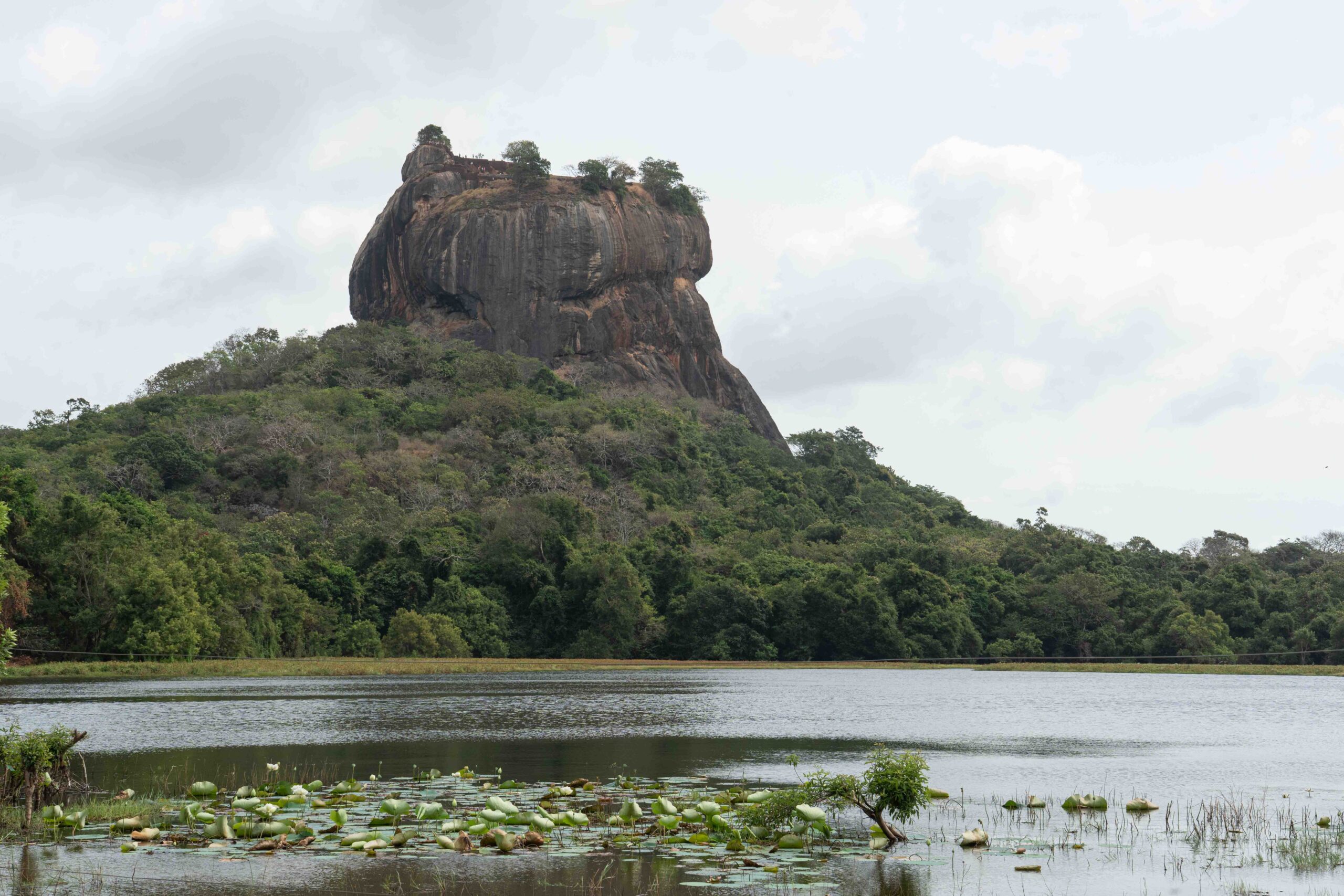
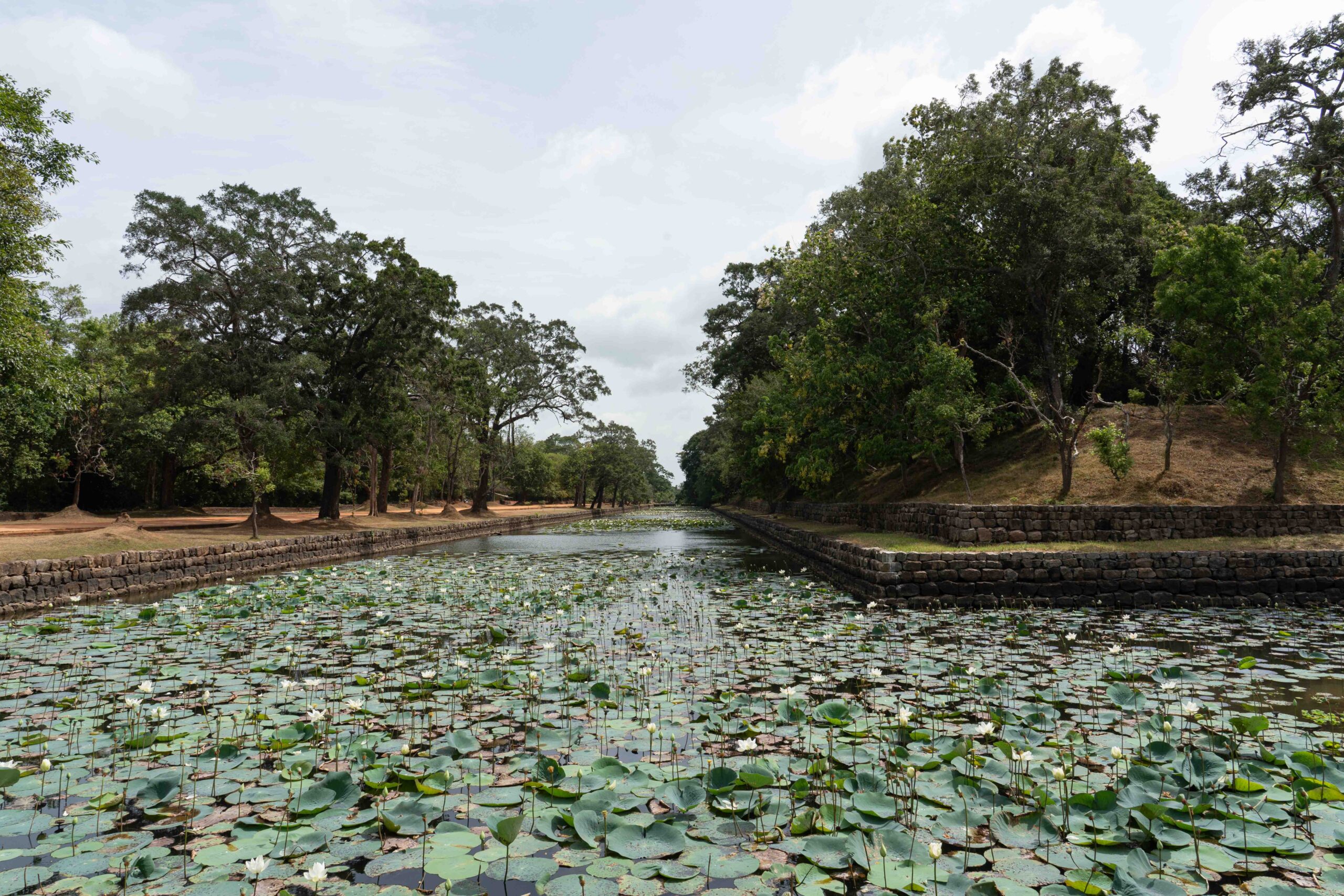
From the village of Sigiriya, it is a comfortable hour’s walk to reach The Lion Rock. Veer off the main road once you leave the village for a peaceful stroll around the Sigiriya Moat to the site.
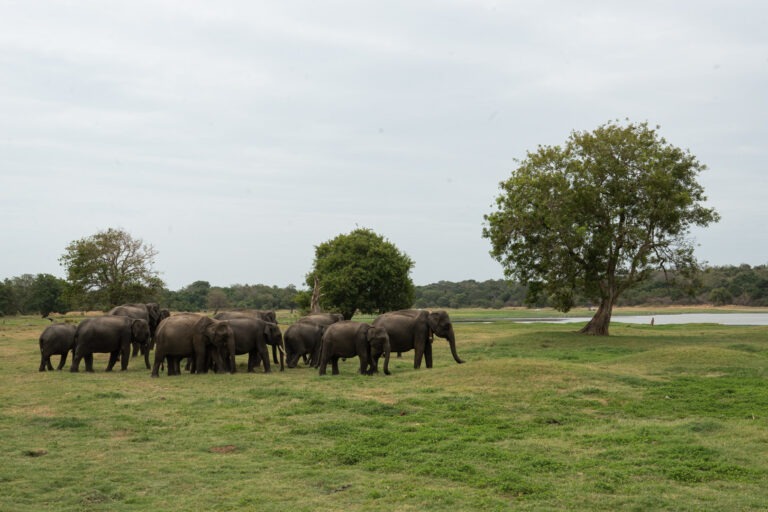
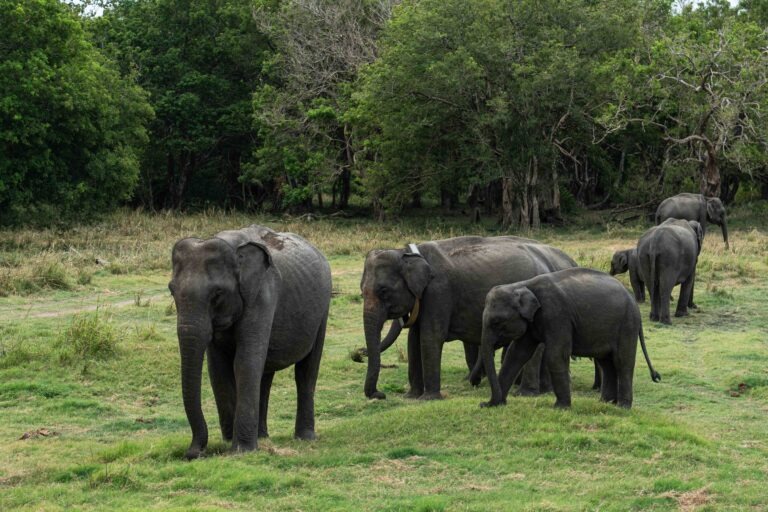
Sigiriya is close to the Minneriya National Park and locals will warn you to avoid walking outside of daylight hours, especially from July to October, in case you are confronted by a magnificent but potentially dangerous elephant. It’s easy to organise a tuk tuk to take you from the village to The Lion Rock.
In 2025, the entrance fee to Sigiriya for foreigners was 35 dollars per person. It includes access to a simple museum.
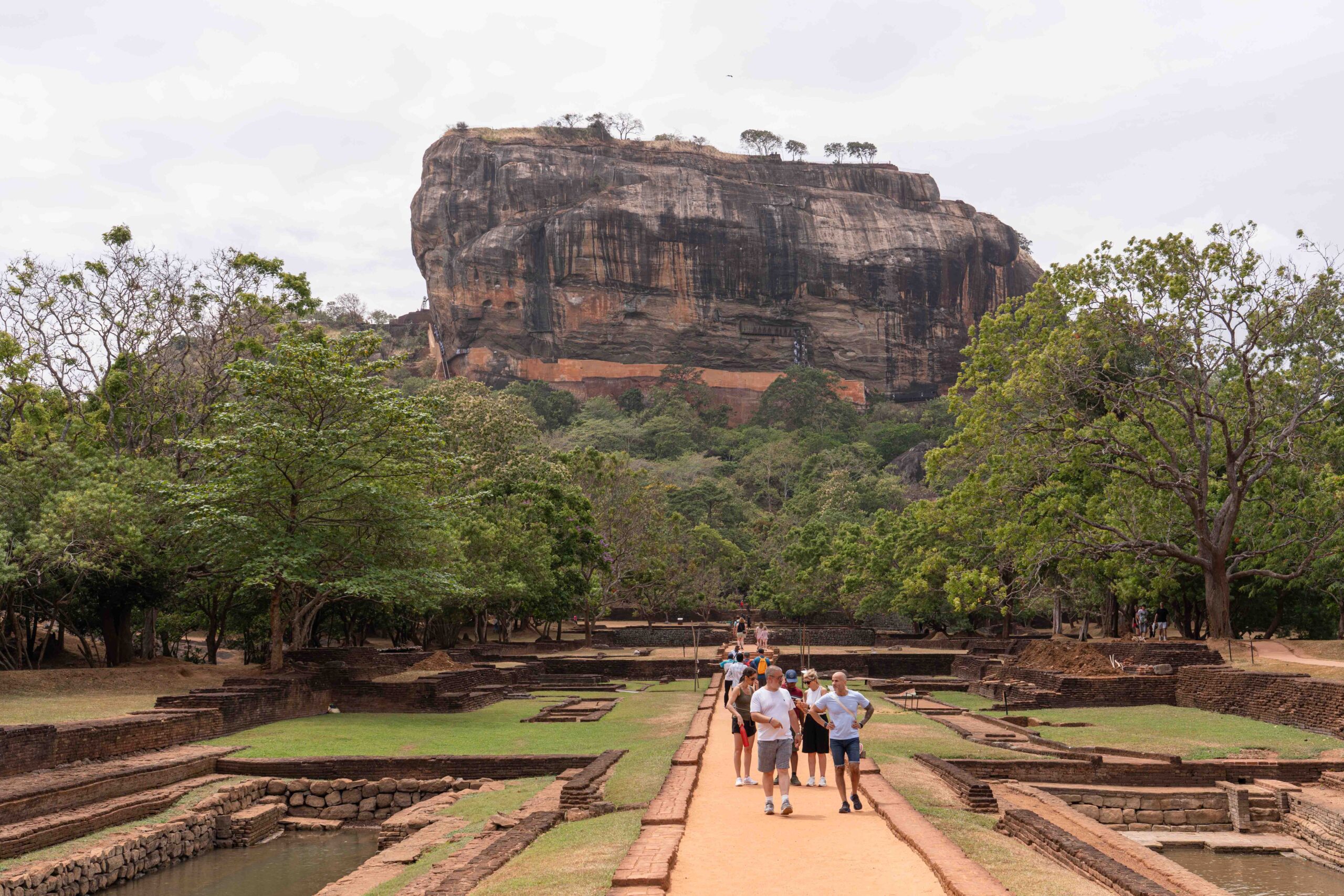
From the base of the rock, it’s an easy hike along trails to the platform with the Lion’s Paws. At the platform, there are signs warning people to be calm and quiet to avoid disturbing nearby wasp nests. I didn’t see any, and the locals seemed unbothered as they hung around the area and made lots of noise.
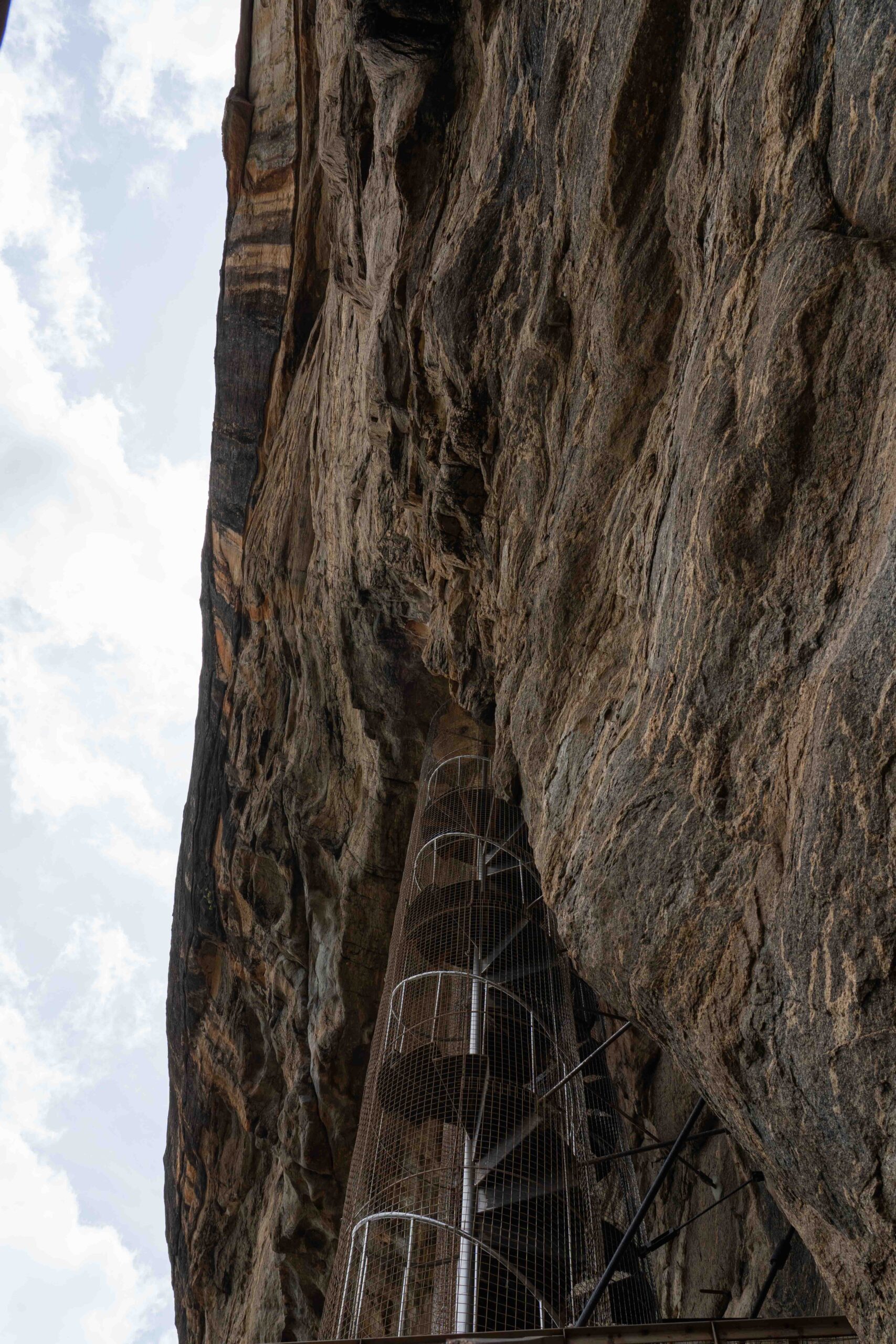
From the Lion’s Paws there are about 1200 steps to the top. I needed to hold on tight to the rails, at parts the wind was howling.
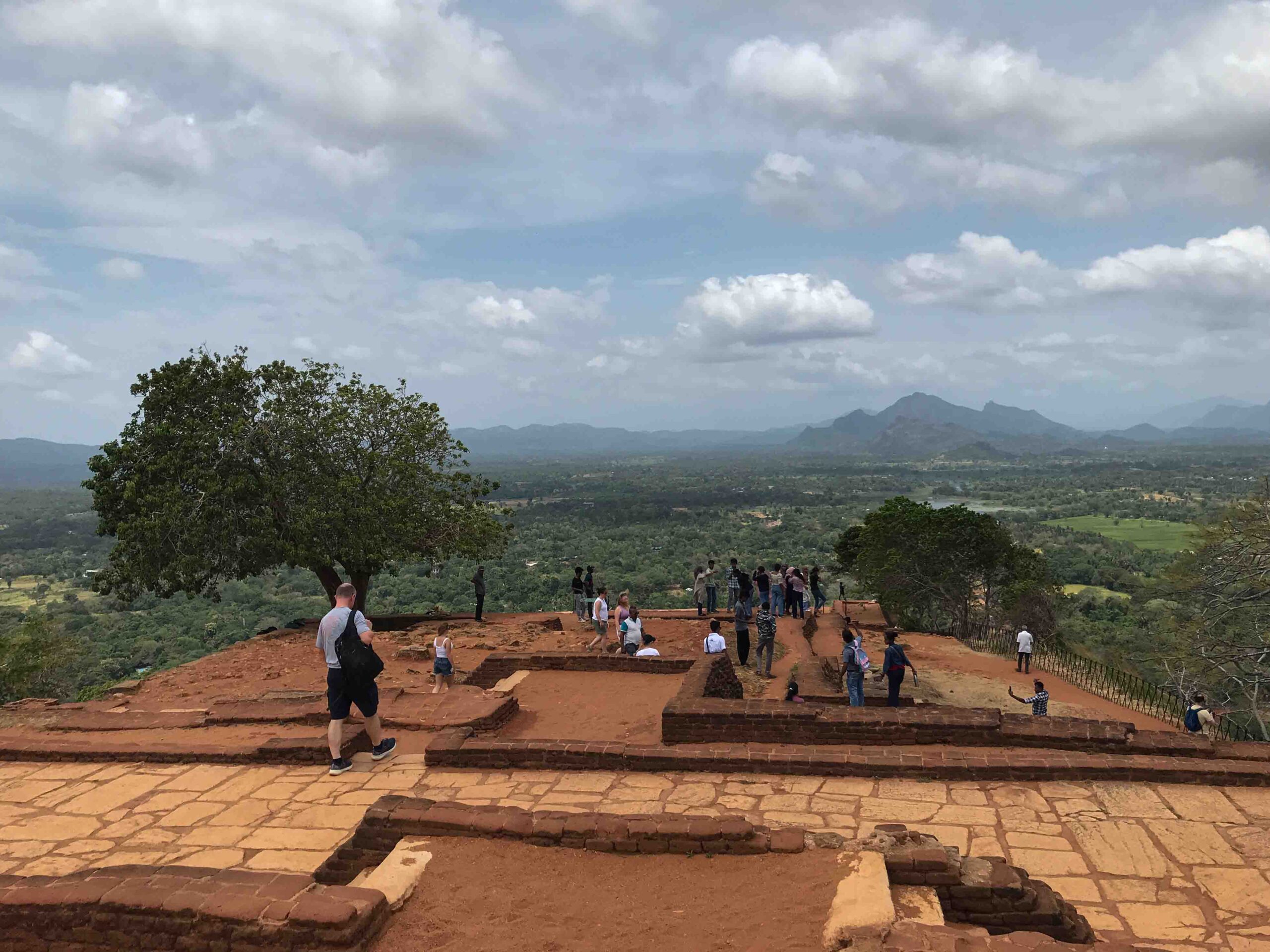
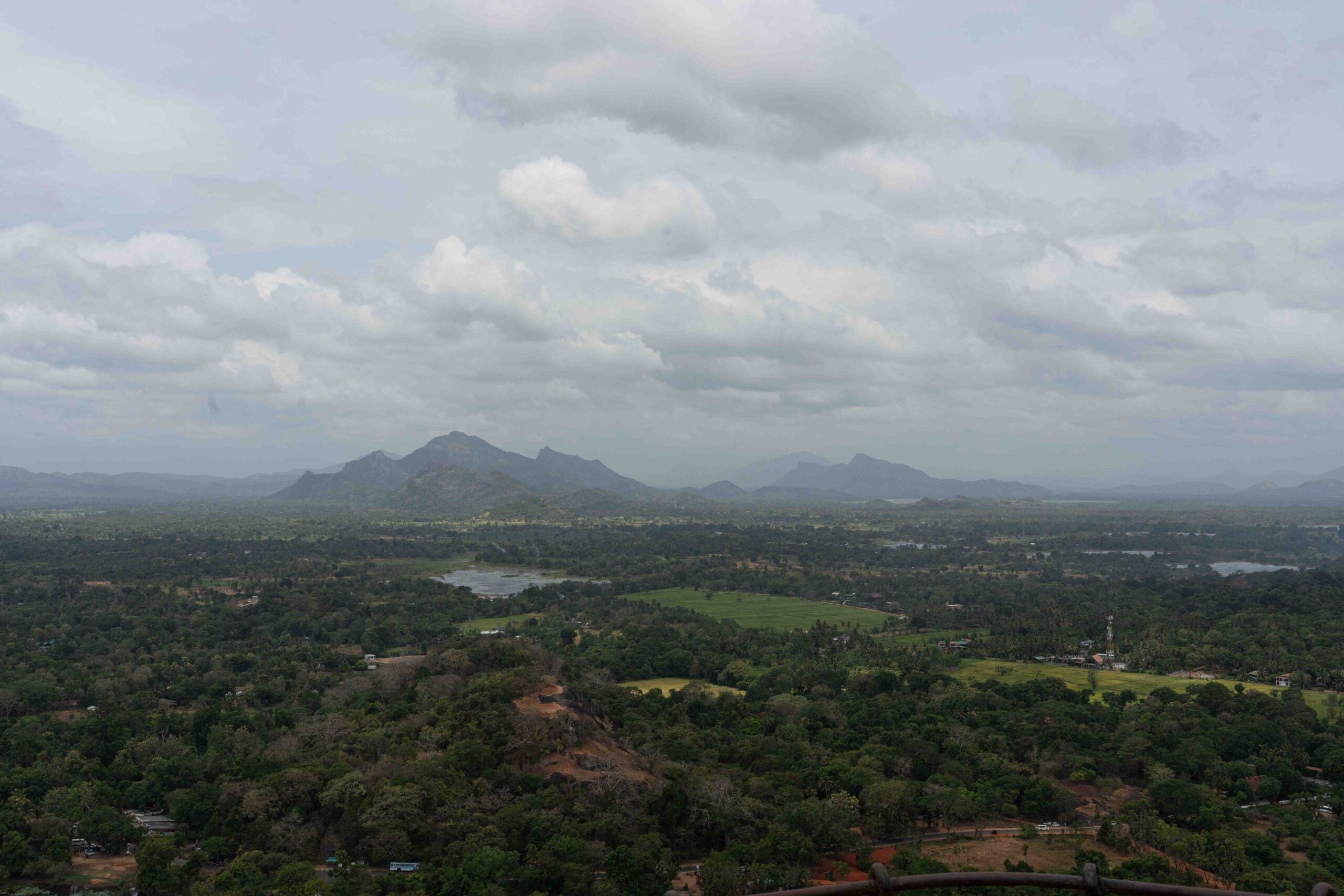
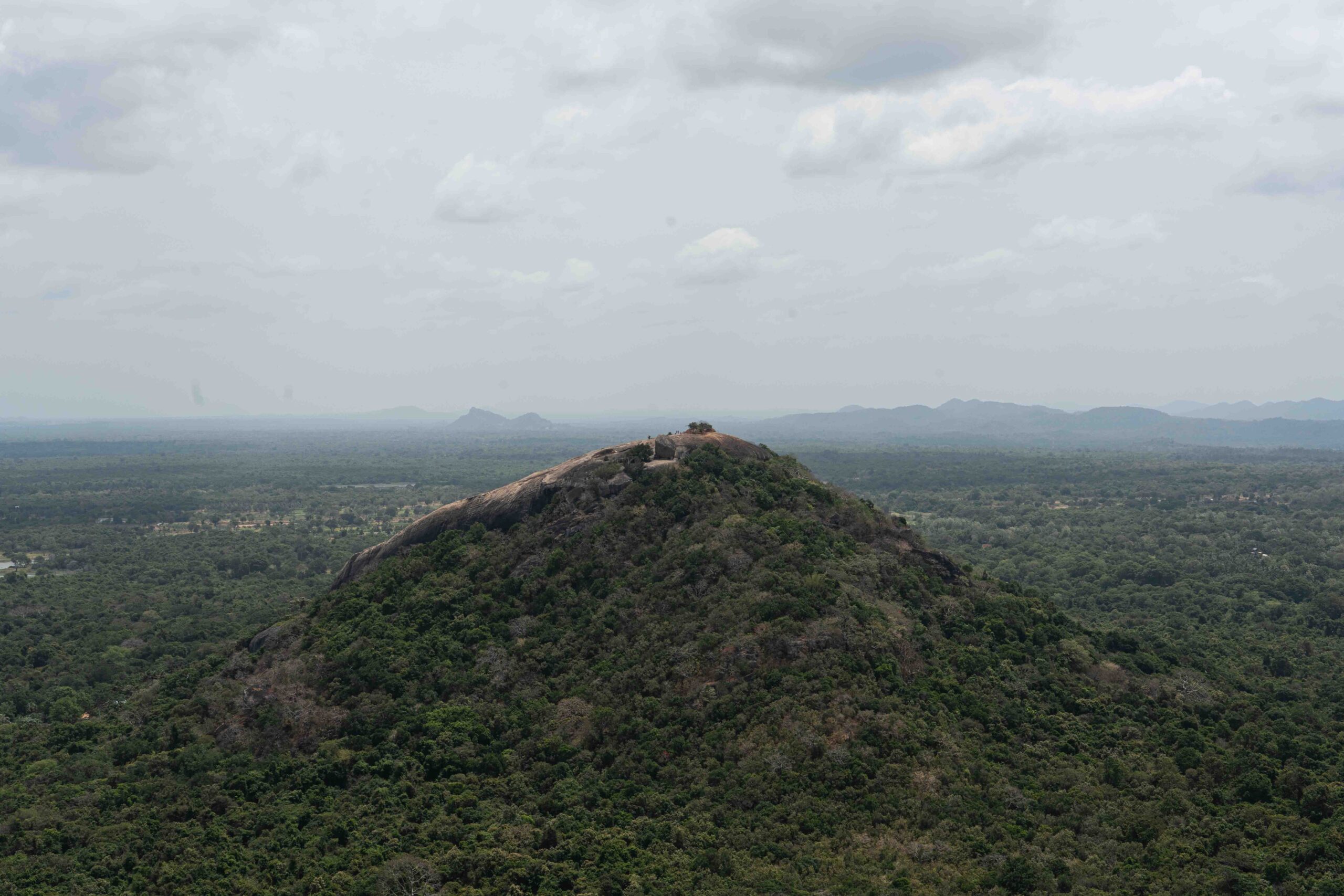
The views from the top reach across the plains and lakes to the surrounding mountains and are breathtaking. It is clear that a great structure once stood here. After the death of King Kasyapa, the site was used as a Buddhist monastery until the 14th century.
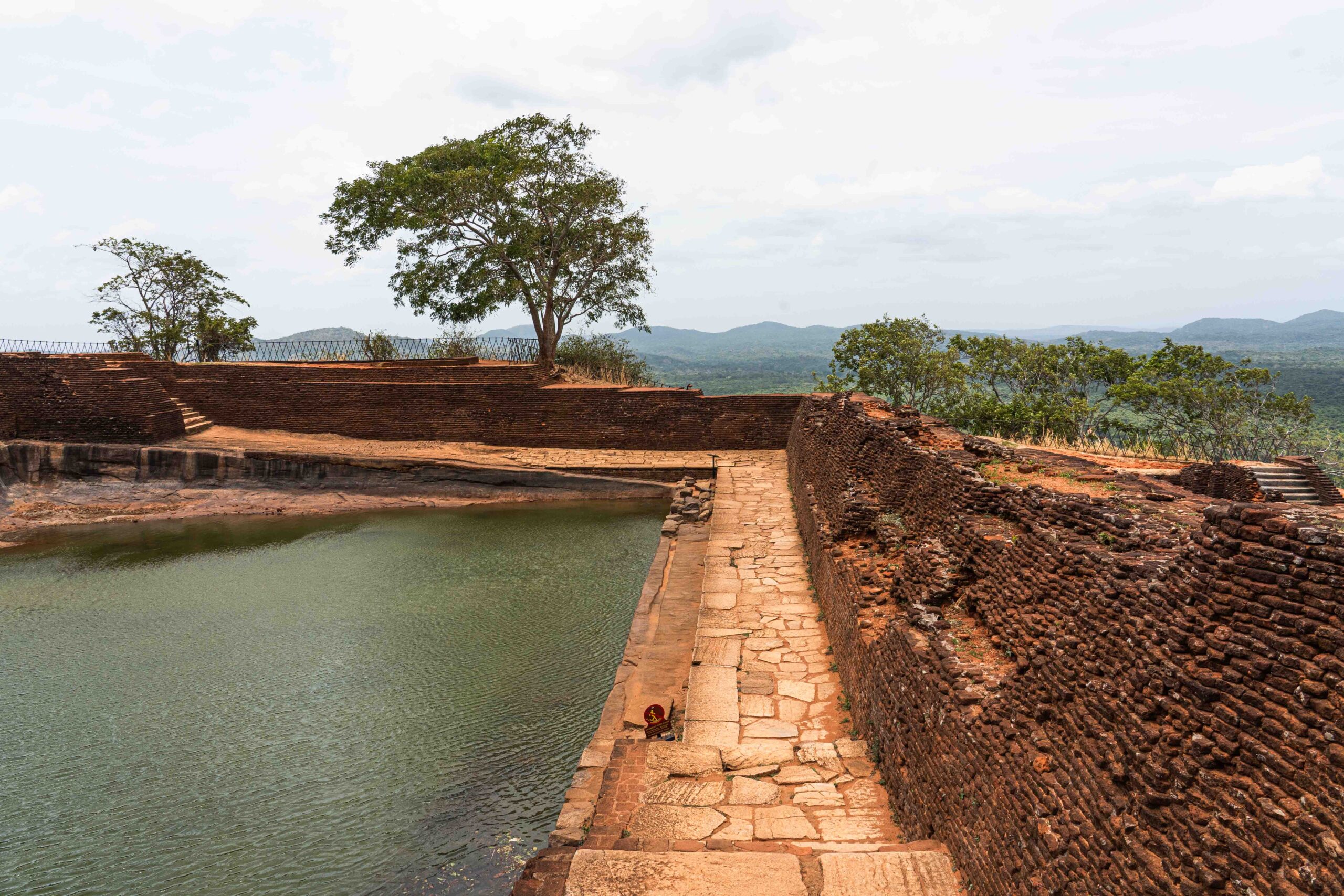
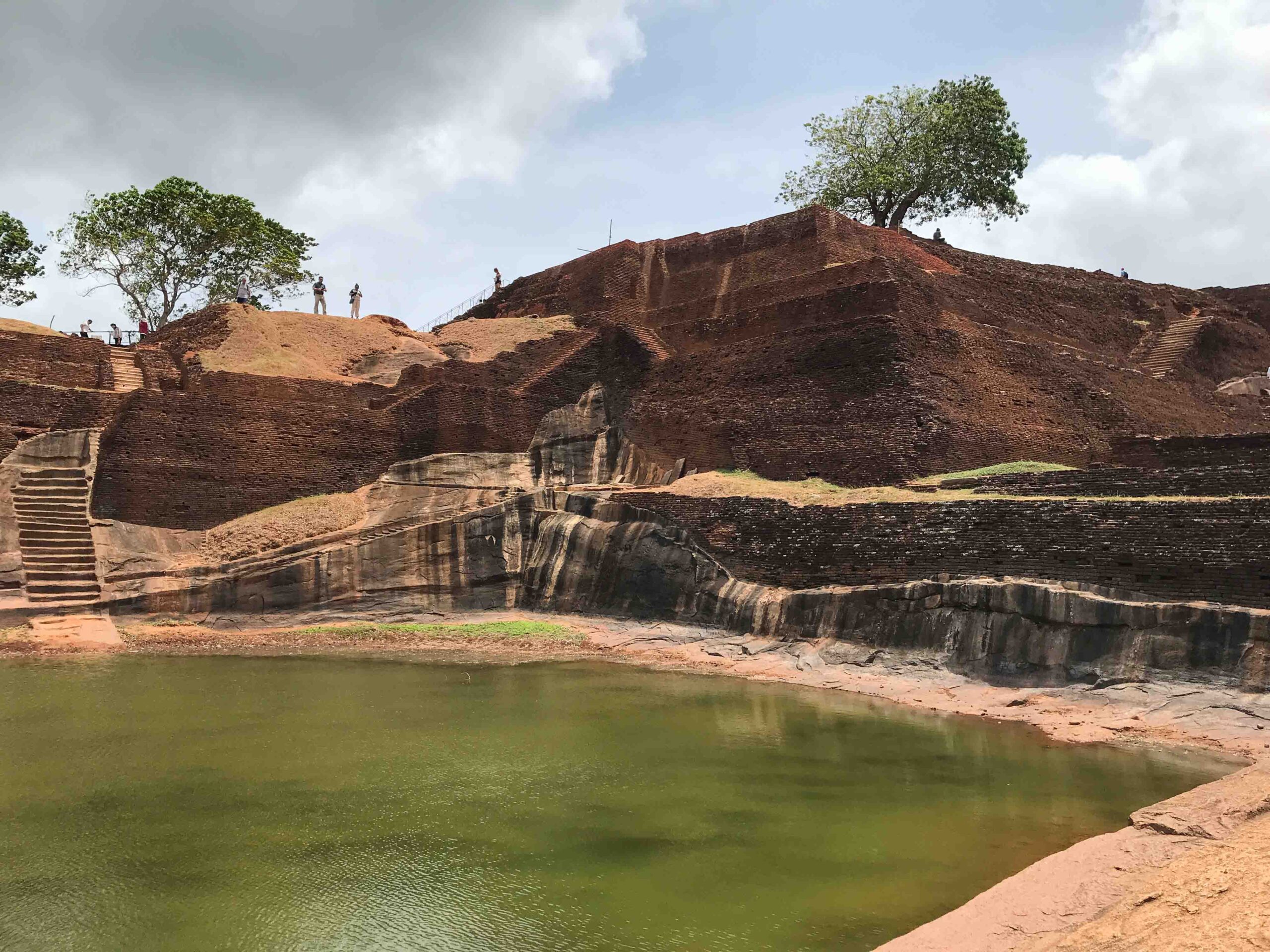
Sigiriya was abandoned in the 14th century. European interest in the site was sparked in the 1830s and by the end of the 19th century archaeological excavation and preservation began. In 1982, UNESCO awarded The Lion Rock (Sigiriya) with world heritage status.